 Atletico Mineiro Hub
In 1971, Atlético Mineiro was in a moment of great expectation. After years of struggle and the development of a talented team, Galo was ready to leave its mark on the Brazilian football scene. Fans, always passionate, believed that the time for recognition had finally arrived.
That year's Brazilian championship was contested in a different format, featuring a large number of participating clubs. Galo, under the leadership of coach Aymoré Moreira, showcased high-level football, standing out for the strength of its attack and the solidity of its defense. Players like Dadá Maravilha, who would become a club legend, and the skillful striker Reinaldo were key pieces in this squad.
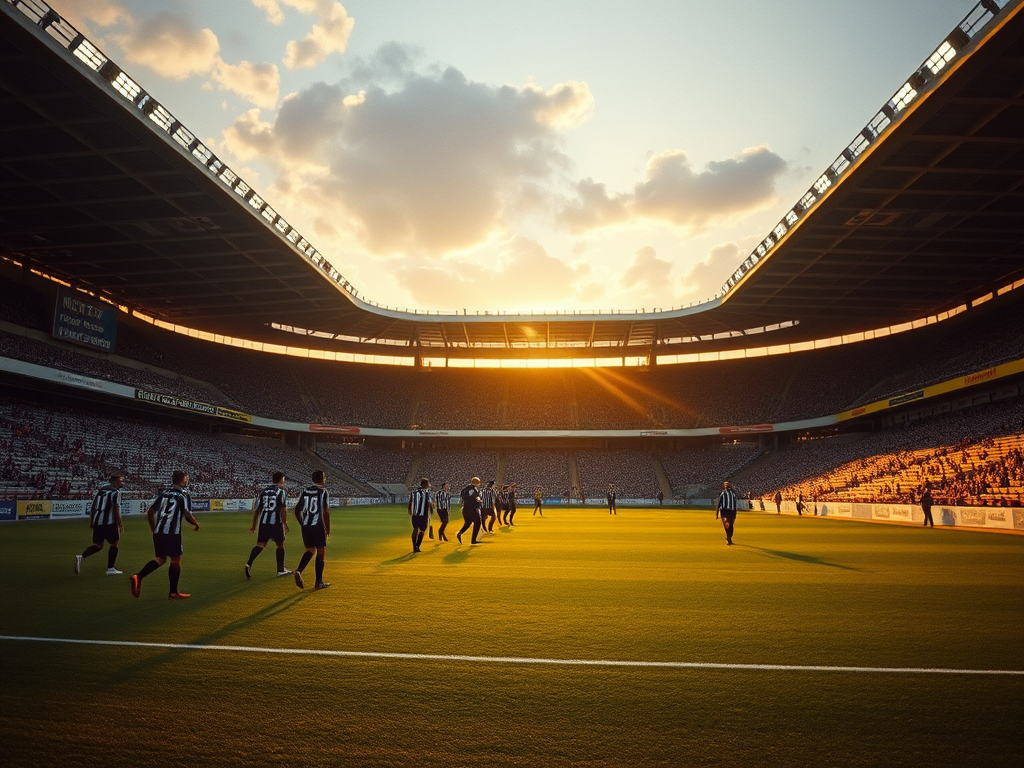
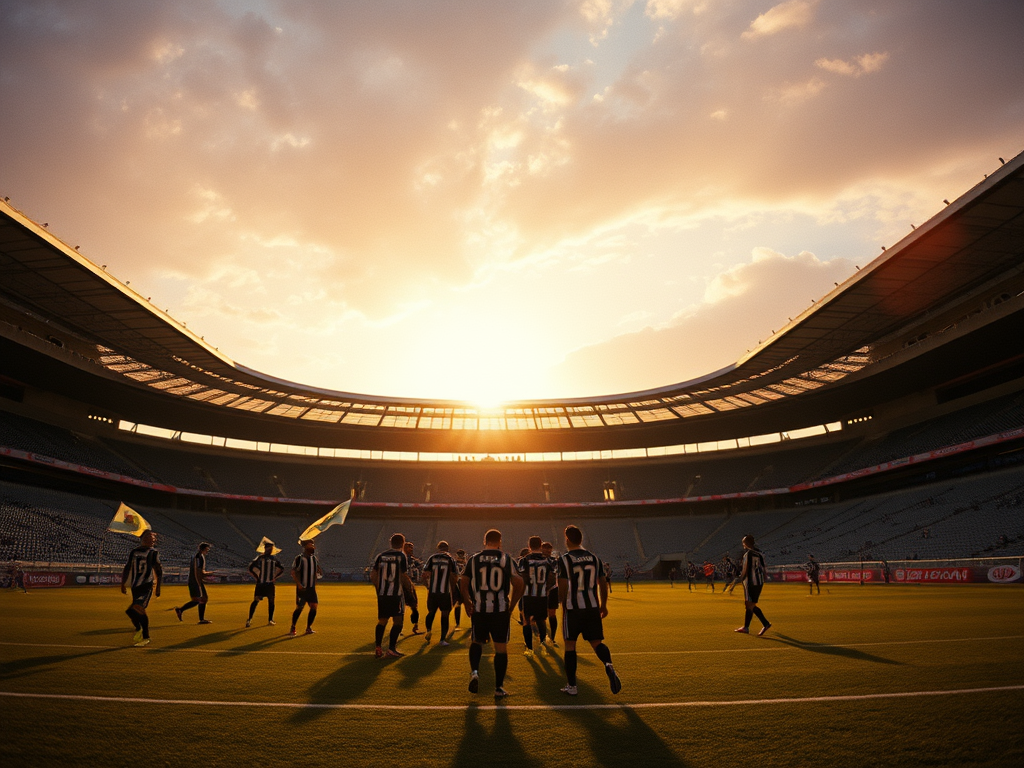
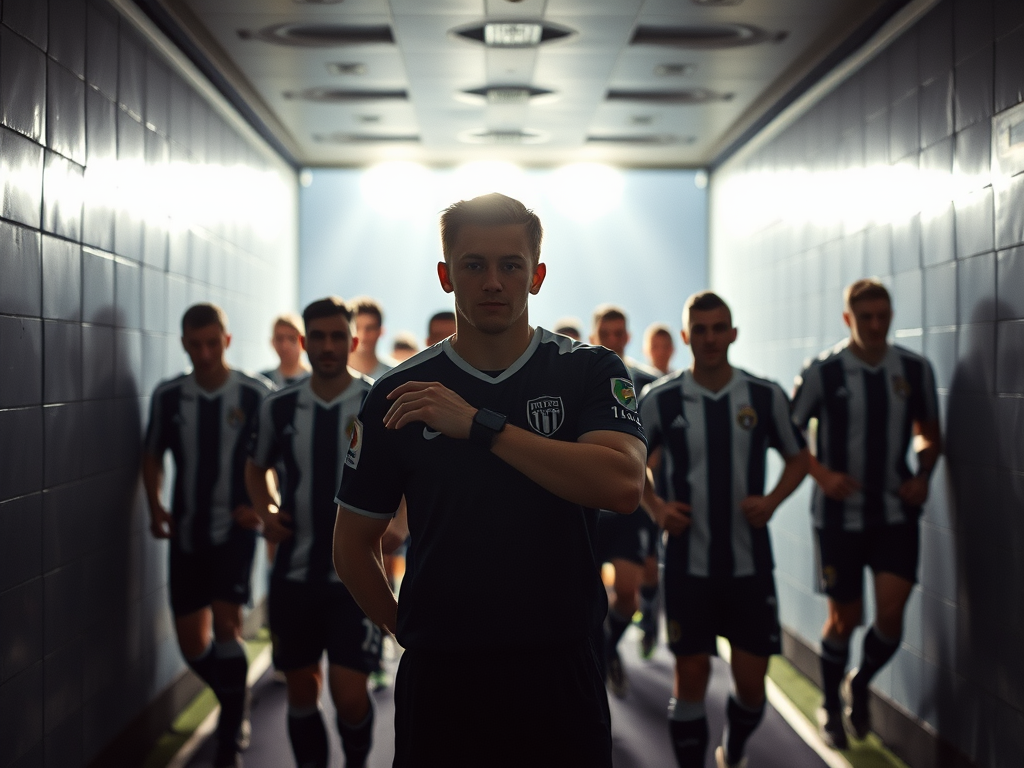
The grand final was a landmark of emotion and tension. Atlético Mineiro faced Botafogo in a duel that went down in history. In the first match, held at Maracanã, Galo couldn't secure a victory, but the fans remained confident. In the second match, held at home in Estádio do Mineirão, the atmosphere was electrifying. The team took the field with the determination to win the title they had long desired.
And that's exactly what happened. Atlético Mineiro played with grit and skill, dominating the match and securing the victory that would seal their first conquest in the Campeonato Brasileiro. The final whistle brought a wave of relief and joy to the fans, who had waited so long for this moment. The celebration took over the streets of Belo Horizonte, and the phrase "We are champions!" echoed throughout the city.
This title was not just a sporting achievement but a symbol of pride for Atlético supporters. With it, Galo solidified its place as one of Brazil's great clubs and began a new era of success. The following years would see further conquests, but the 1971 title will always be remembered as the first step towards greatness.
Today, as fans recall this victory, they feel a mix of nostalgia and inspiration. The warrior spirit of Galo, which has always been a hallmark of the club, began to take shape that year. And with each new generation that joins the fanbase, the story of 1971 is told and retold, keeping the flame of passion for Galo alive.